Harness Natural Light: Why Installing Rooflights Is Worth It
Optimizing natural light by installing rooflights offers a variety of positive outcomes. Research indicates that heightened access to daylight can enhance wellbeing and efficiency. Additionally, rooflights can bring about substantial energy savings by cutting back on artificial lighting. That said, potential challenges and design considerations must be taken into account. Understanding these factors is crucial for anyone contemplating such an installation. Moving forward could highlight exciting potential for homes and businesses of all types.
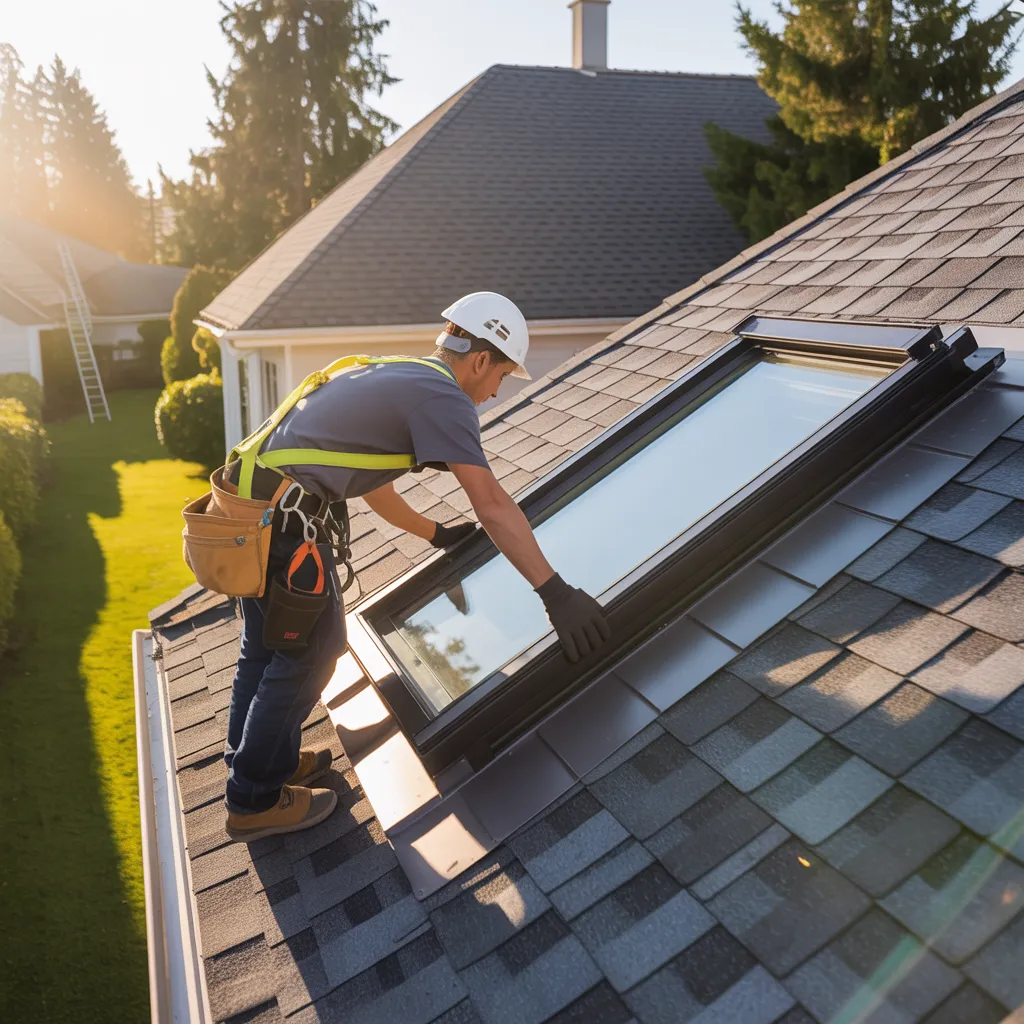
Understanding the Science of Natural Light and Well-Being
Natural light serves a vital function in enhancing well-being, with studies indicating that exposure to sunlight can positively affect mood and cognitive abilities. Research demonstrates that natural light affects the body's production of serotonin, a hormone connected to positive mood and mental clarity. Increased exposure can lead to diminished symptoms of depression and anxiety, encouraging a more optimistic state of mind.
In addition, natural light regulates circadian rhythms, which are important for supporting healthy sleep patterns. Quality sleep, in turn, promotes overall physical well-being and emotional resilience.
In both professional and residential settings, exposure to natural light is linked to similar information enhanced productivity and creative thinking, as people experience heightened energy and motivation. The environment established through natural light can also improve interpersonal connections, encouraging a spirit of unity and relationship-building. In essence, the integration of natural light into daily environments acts as a key factor in supporting wellness and improving overall life quality.

The Way Rooflights Boost Energy Efficiency
Maximizing natural light with rooflights not only improves interior comfort but also significantly contributes to energy efficiency. By permitting sunlight to filter through spaces, rooflights can decrease the dependence on artificial lighting during daylight hours. This natural illumination reduces energy consumption, resulting in lower utility bills. Additionally, many current rooflights are equipped with energy-efficient glazing, which can help regulate indoor temperatures. By minimizing heat loss in winter and controlling heat gain in summer, these installations create a more comfortable living environment while reducing heating and cooling demands. The strategic positioning of rooflights can also improve cross-ventilation, further enhancing air quality and decreasing the need for mechanical ventilation systems. Overall, integrating rooflights into architectural designs not only brightens interiors but is key to fostering a more eco-friendly and energy-conscious home.
Creative Approaches to Rooflight Installation Design
Enhancing spaces using rooflights can enhance both the aesthetic quality and functional value in all types of architectural design. Architects and designers are progressively adopting rooflights in innovative ways to maximise natural light and produce compelling visual features. To illustrate this, a series of linear rooflights can define corridors, drawing the eye along a path while flooding the area with light.
In living spaces, oversized rooflights can act as impressive design elements, offering breathtaking views of the open sky. Additionally, integrating rooflights with skylight shades can generate adaptable spaces that respond to changing light conditions throughout the day.
In kitchens and dining areas, carefully positioned rooflights can light up workspaces while improving the mood during dining experiences. Additionally, integrating rooflights within green roofs encourages indoor plant growth by maximizing sunlight exposure. These creative design ideas not only support sustainable energy use but also turn routine spaces into dynamic, appealing settings that honor the magnificence of natural light.
How to Pick the Right Rooflight for Your Home
Selecting the most suitable rooflight necessitates thoughtful consideration of numerous factors. It is essential to evaluate space considerations, evaluate energy-saving possibilities, and select the suitable glass type to secure peak performance and aesthetics. These components plays a vital role in elevating both functionality and comfort within the environment.
Evaluate Your Space Needs
Assessing spatial needs is essential when choosing a rooflight, as it directly impacts both performance and design. Consider the measurements of the space where the rooflight will be fitted, including ceiling height and existing structures. A more expansive rooflight can deliver a bold aesthetic statement and enhance natural light, but it may not be appropriate for limited rooms. Moreover, the angle and direction of the roof play an important role in establishing the most effective dimensions and position. It is also important to consider any obstructions, such as structural protrusions or nearby foliage, that could restrict natural light. Reviewing these aspects will confirm that the chosen rooflight seamlessly integrates into the environment while fulfilling the intended illumination and aesthetic goals.
Explore Energy Efficiency Options
When selecting a rooflight, energy efficiency should be a primary consideration, as they can significantly affect both comfort and energy bills. Property owners ought to evaluate factors such as thermal insulation ratings and energy-saving framing materials. Rooflights that carry superior energy ratings help prevent heat loss in winter and curb heat gain in summer, promoting a stable indoor climate. Additionally, choosing models with low U-values can enhance overall efficiency, providing minimal energy expenditure. It is vital to consider the rooflight's location to make the most of natural light while limiting the need for artificial lighting. By emphasizing energy efficiency, residents can build a sustainable space that aligns with their lifestyle while lowering long-term energy expenditure. Ultimately, thoughtful selections translate into enhanced comfort and meaningful cost reductions.
Choose the Right Glass Type
Picking the appropriate glass type for rooflight installations greatly influences both visual appeal and performance. Several choices, such as triple-glazed, double-glazed, and laminated glass, deliver distinct advantages. Double glazing offers superior insulation and minimises heat loss, while triple-glazed glass improves energy performance, making it well-suited for cold climates. Laminated glazing, in contrast, offers improved security and noise reduction, which proves beneficial in built-up areas.
Additionally, choosing low-emissivity (Low-E) glass can minimize UV radiation and glare, safeguarding interior spaces from fading. Assessing safety ratings, as well as the glass's ability to endure impact or severe weather conditions, is also essential. In conclusion, choosing the appropriate glass option confirms that rooflight units satisfy particular requirements while boosting overall comfort and aesthetic value.
Key Questions and Solutions for Rooflight Installations
Even though rooflight installations deliver notable benefits, like increased natural light and enhanced energy efficiency, various challenges can occur during installation. A frequent concern involves the possibility of leaks, often attributed to improper installation or inadequate sealing. To prevent this, working with qualified professionals and selecting superior materials is vital.
Another concern is excessive heat accumulation during summer months, which can cause increased cooling costs. This can be mitigated by opting for thermally optimized window glazing or integrating solar shading solutions.
Moreover, residents may have concerns about the structural integrity of their home. Verifying that the roof is strong enough to carry the additional load of rooflights is critical, often making it necessary to consult a structural engineer.
Finally, privacy problems might emerge when rooflights face toward neighboring properties. Carefully positioning rooflights or opting for opaque glass can address this problem. By addressing these concerns proactively, homeowners can enjoy the maximum advantages of installing rooflights.
How to Keep Your Rooflights in Great Shape
Caring for rooflights requires a consistent cleaning schedule to prevent the accumulation of dirt and debris. Additionally, routine checking of the seals can make it easier to identify potential leaks or damage before they become major issues. Following these practices ensures that rooflights maintain their functionality and visual appeal over time.
Regular Cleaning Schedule
A consistent cleaning schedule is essential for keeping rooflights clear and fully functional. Routine maintenance not only improves the visual appearance but also ensures optimal natural light transmission. Dust, pollutants, and organic matter can collect over time, hindering light flow and potentially compromising the rooflight structure. It is recommended to clean rooflights no fewer than twice per year, with further cleanings scheduled after periods of extreme weather. Using a soft cloth and a mild, non-abrasive cleaner can effectively remove grime without scratching the surface. Residents should remain mindful of nearby areas to stop overgrown foliage or external obstructions from reducing light entry. Following a consistent maintenance schedule will extend the longevity of rooflights and sustain their effectiveness in brightening indoor areas.
Check Seals Regularly
Regular cleaning helps maintain rooflights, but another essential aspect is the periodic inspection of seals. Seals play a crucial role in keeping water out and maintaining energy efficiency. With time, exposure to environmental elements can break down seals, causing leaks and rising energy costs. Seals should ideally be inspected a minimum of twice annually, especially following harsh weather conditions. Evidence of wear, such as cracks or openings, should be tackled without delay to avert more substantial complications. Professional assessments can provide insights into the condition of the seals and recommend necessary repairs or replacements. By prioritizing seal inspections, homeowners can extend the lifespan of their rooflights and maintain a comfortable indoor environment.
True Success Stories Featuring Rooflight Installations
While many property owners may hesitate to invest in rooflight installations, many success stories highlight their transformative effect on both residential and commercial spaces. A particularly compelling example involves a London-based café which, after installing rooflights, noted a 30% rise in customer footfall thanks to the improved natural lighting. This enhancement not only elevated the ambiance but also significantly increased sales.
In a home environment, a suburban family added rooflights to their living room and kitchen. The result was a lighter, more welcoming environment that encouraged family get-togethers and enhanced the overall value of their property.
Furthermore, a professional office in Manchester noted a marked increase in employee productivity and morale after incorporating rooflights into their environment. These real-world cases emphasise the versatility and benefits of rooflight integration, demonstrating that they can enhance both functionality and aesthetic appeal across a range of settings.
Frequently Asked Questions
What Types of Rooflights Are Available for Different Building Styles?
Common rooflight types consist of flat, domed, and pyramid designs, each appropriate for varying architectural aesthetics. Traditional buildings may favor lanterns, while modern buildings frequently select clean, minimalist skylights to elevate visual appeal and practical performance.
Can Rooflights Be Added to Already Built Structures?
Indeed, rooflights may be incorporated in established properties. Professionals evaluate the property's structural integrity and design, ensuring correct installation without compromising aesthetics or structural stability, allowing for increased daylight in diverse spaces.
In What Ways Do Rooflights Influence Indoor Plant Growth?
Rooflights greatly enhance indoor plants' growth by maximizing natural light intake. This improved illumination stimulates photosynthesis, leading to healthier plants, vivid leaves, and greater flowering potential, ultimately establishing a more favorable setting for indoor horticulture.
What Specific Building Regulations Exist for Rooflight Installations?
Precise building codes for rooflight window implementation differ from one area to another, typically encompassing energy efficiency, structural integrity, and safety. Adhering to local regulations ensures appropriate implementation, lowering potential risks and boosting the building's general performance.
What Maintenance Expenses Are Involved With Rooflights?
Upkeep expenses for rooflights typically include periodic cleaning, resealing, and swapping out deteriorated parts. Annual maintenance costs can vary between one hundred and three hundred dollars, depending on the type, size, and accessibility of the rooflight installation.